The Evolution of the NBA: How the Game Has Changed Over the Decades
- vrluis2
- 15 dic 2024
- 3 Min. de lectura
Actualizado: 19 dic 2024
The National Basketball Association (NBA) has come a long way since its inception in 1946. From its humble beginnings with a handful of teams to becoming a global phenomenon, the NBA's journey is a testament to the power of sports as a unifying force. Over the decades, the game has undergone significant changes—from the rules and style of play to the level of athleticism and global reach. These transformations have shaped the NBA into the fast-paced, high-energy league we know and love today. For in-depth coverage of these shifts, platforms like NBA Sports Hub provide excellent insights into the league’s history and growth. Let’s explore how the game has evolved, reflecting changes in culture, technology, and the very nature of competition.
Early Days: A Game of Fundamentals
When the NBA was founded as the Basketball Association of America (BAA), the game was a far cry from what we see today. The early years emphasized fundamental skills such as:
Passing, dribbling, and set shooting: Players relied heavily on basic techniques to succeed.
Low-scoring games: Teams typically scored fewer than 80 points per game.
Slow pace: Without a shot clock, teams often held the ball for minutes at a time.
The introduction of the 24-second shot clock in 1954 revolutionized the pace of the game, making it more dynamic and engaging. Stars of the era, like George Mikan, showcased the importance of size and skill, though the overall athleticism of the game was still in its early stages.
The 1960s and 1970s: A Growing League
As the league expanded in the 1960s, basketball began to develop a unique flair. Key developments during this era included:
Legendary players: Bill Russell, Wilt Chamberlain, and Jerry West brought skill and personality to the game.
Intense rivalries: The Boston Celtics and Los Angeles Lakers emerged as iconic competitors.
ABA merger: The 1970s saw the NBA merge with the American Basketball Association, introducing exciting elements like:
The three-point line.
Slam dunks and flashy plays.
This period laid the foundation for the modern NBA, blending skill, athleticism, and entertainment.
The 1980s and 1990s: The Golden Era
The NBA experienced unprecedented growth in popularity during the 1980s and 1990s. Highlights of this golden era include:
Superstar rivalries: Magic Johnson, Larry Bird, and Michael Jordan elevated the game’s global appeal.
Television deals and endorsements: The league became a household name with increased media coverage.
Physical play: The 1990s emphasized defense, with teams like:
The Detroit Pistons’ "Bad Boys."
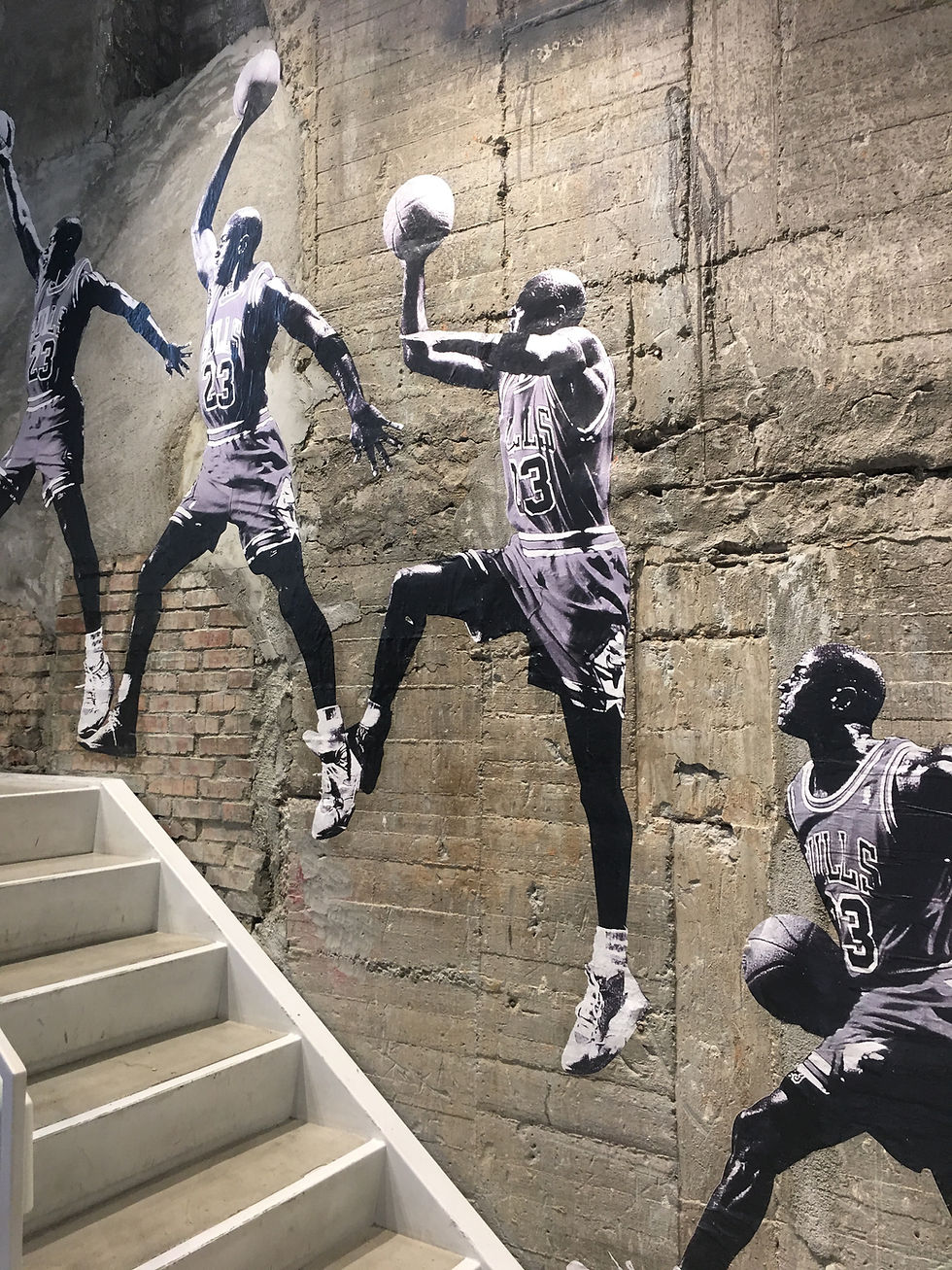
Michael Jordan’s Chicago Bulls, who set the standard for excellence by winning six championships.
This era solidified the NBA as a global entertainment powerhouse.
The Modern NBA: 2000s and Beyond
The 2000s marked a period of transition, with new trends shaping the league. Key characteristics of the modern NBA include:
Dynamic players: Stars like Kobe Bryant, Shaquille O’Neal, and Tim Duncan combined traditional skills with modern athleticism.
Analytics-driven strategies: Teams embraced data to refine strategies, particularly around:
The rise of the three-point shot, popularized by Stephen Curry.
Global reach: Players like LeBron James, Giannis Antetokounmpo, and Luka Dončić expanded basketball’s influence worldwide.
Today’s NBA is defined by its fast-paced, high-scoring, and positionless style of play, captivating fans across the globe. For the latest updates and trends in modern basketball, NBA Sports Hub continues to be a go-to source for enthusiasts.
The evolution of the NBA reflects more than just changes in rules or style—it mirrors societal shifts, technological advancements, and the unending quest for greatness. From its slow-paced beginnings to today’s electrifying games, the league has continually adapted to captivate fans around the globe. The NBA’s journey is far from over, and as we look to the future, one thing is certain: basketball will continue to inspire, unite, and amaze us all.


Comentarios